- Nepal and the Global Significance of 8,000-Meter Mountains
- The Original Eight 8,000-Meter Mountains of Nepal
- 1. Mount Everest (8,848.86 m)
- 2. Kanchenjunga (8,586 m)
- 3. Lhotse (8,516 m)
- 4. Makalu (8,485 m)
- 5. Cho Oyu (8,188 m)
- 6. Dhaulagiri I (8,167 m)
- 7. Manaslu (8,163 m)
- 8. Annapurna I (8,091 m)
- 9. Yalung Khang (8,505 m)
- 10. Kanchenjunga South (8,476 m)
- 11. Kanchenjunga Central (8,473 m)
- 12. Lhotse Middle (8,410 m)
- 13. Lhotse Shar (8,400 m)
- 14. Yalung Khang West (8,077 m)
- A Major Development in Mountaineering News
Nepal Travel Update | Adventure & Mountaineering Update
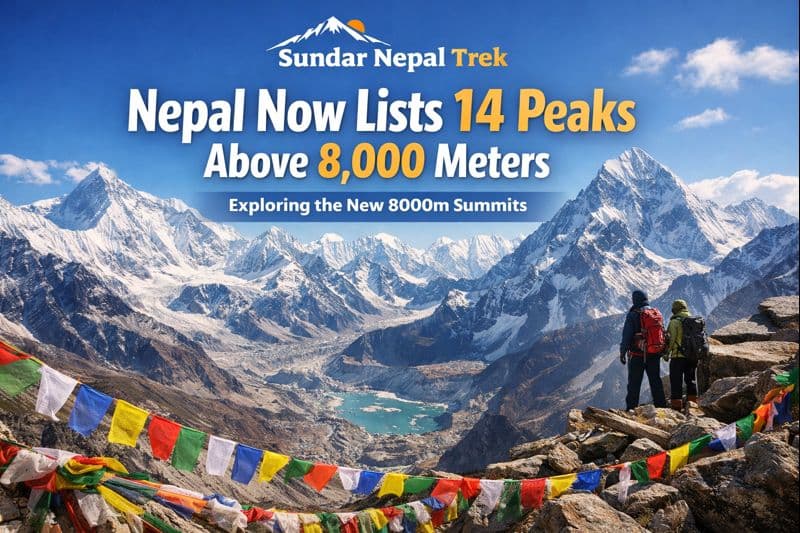
Nepal has long been celebrated as the heart of high-altitude adventure, home to some of the world’s most iconic mountains and legendary climbing routes. Now, the Himalayan nation has taken a historic step by officially expanding its list of mountains above 8,000 meters from eight to fourteen, igniting global discussion across mountaineering, trekking, and adventure travel communities.
The decision, announced through Nepal’s updated peak profile under the Department of Tourism, recognizes six additional 8,000-meter summits—mostly high subsidiary peaks of existing giants such as Kanchenjunga and Lhotse. While international recognition by global alpine bodies is still under review, the move marks a significant moment in Nepal’s tourism narrative and reinforces its status as the ultimate destination for extreme altitude exploration. These new eight-thousanders in Nepal 2025 is expeted to open new exploring trails and adventure activities of travel enthausists.
Nepal and the Global Significance of 8,000-Meter Mountains
Mountains above 8,000 meters—often called the “death zone peaks”—represent the highest and most dangerous summits on Earth. At these altitudes, oxygen levels drop dramatically, human endurance is severely limited, and climbing becomes a test of both physical and mental resilience.
For decades, Nepal has been globally synonymous with these extreme peaks. The country already hosted the majority of the world’s recognized 8,000-meter mountains, drawing elite climbers, professional expedition teams, and adventure travelers from across the globe.
With the newly expanded list, Nepal now officially recognizes 14 mountains above 8,000 meters within or directly connected to its territory, further strengthening its global mountaineering identity.
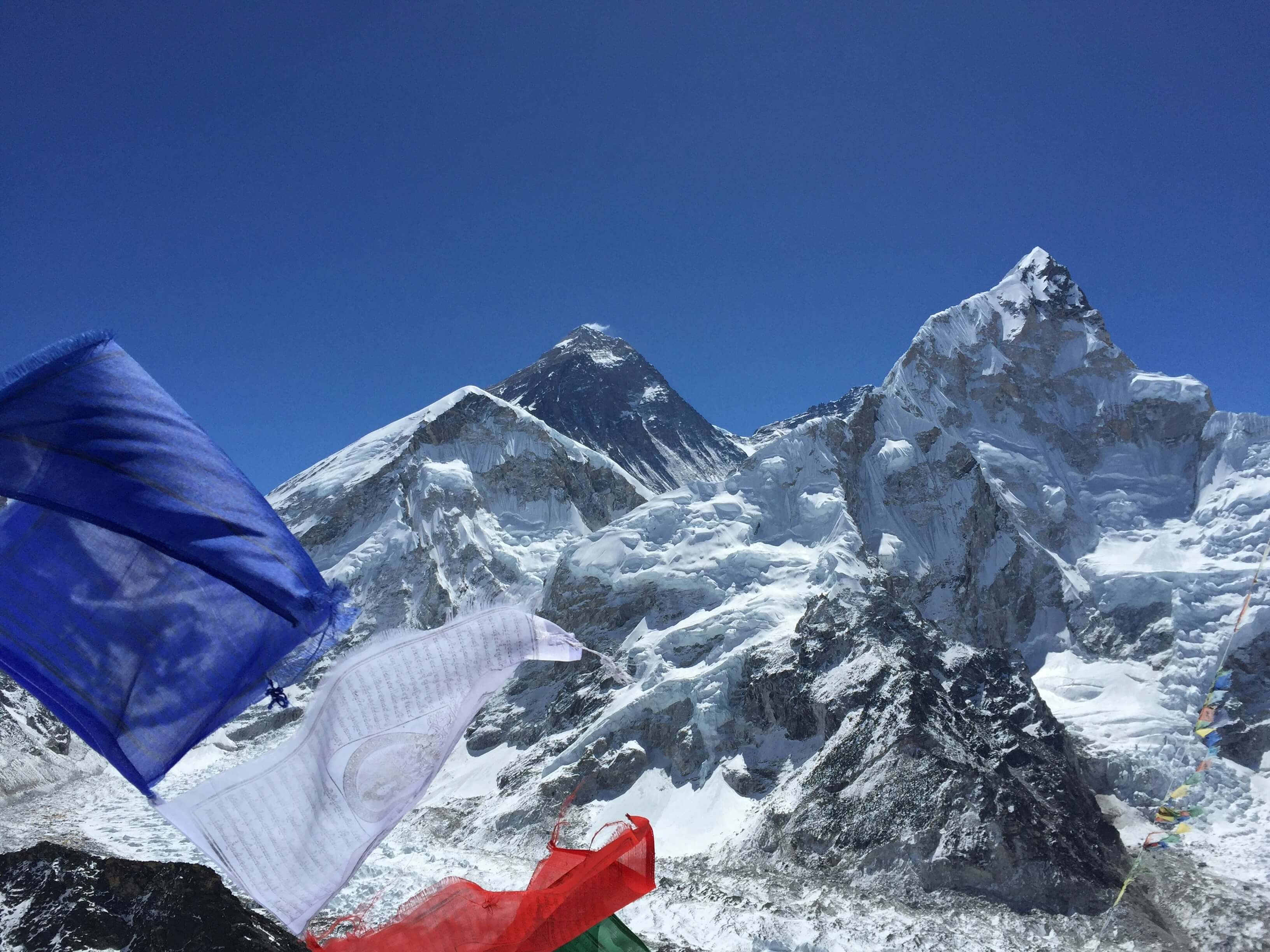
Pic: Mt. Everest, highest peak in the world.
The Original Eight 8,000-Meter Mountains of Nepal
Before the recent update, Nepal officially recognized eight mountains above 8,000 meters, most of which are internationally accepted and globally famous. These peaks remain the backbone of Nepal’s high-altitude tourism. Here's the full list of Nepals 14 eight-thousanders,
Nepal is already known for keeping the eight highest peaks in the world out of 14 which are above 8000m in altitude
1. Mount Everest (8,848.86 m)
The world’s highest mountain and Nepal’s most iconic symbol. Everest attracts climbers, trekkers, and global attention every year, anchoring Nepal’s adventure tourism economy.
2. Kanchenjunga (8,586 m)
The third-highest mountain in the world, located in eastern Nepal. Known for its remoteness, Kanchenjunga offers a quieter, more wilderness-focused climbing and trekking experience.
3. Lhotse (8,516 m)
Connected to Everest via the South Col, Lhotse is the fourth-highest mountain on Earth and a major objective for elite climbers.
4. Makalu (8,485 m)
A striking pyramid-shaped peak east of Everest, Makalu is considered one of the most technically demanding 8,000-meter mountains.
5. Cho Oyu (8,188 m)
Often regarded as one of the more accessible 8,000-meter peaks, Cho Oyu is popular for climbers transitioning to extreme altitude mountaineering.
6. Dhaulagiri I (8,167 m)
The seventh-highest mountain in the world, Dhaulagiri dominates western Nepal and is known for its massive vertical relief.
7. Manaslu (8,163 m)
One of Nepal’s most climbed 8,000-meter peaks in recent years, Manaslu has grown in popularity due to its relative accessibility and strong trekking infrastructure.
8. Annapurna I (8,091 m)
Famous—and infamous—for its high fatality rate, Annapurna I remains one of the most dangerous and respected peaks in the Himalayas.
The Six Newly Added 8,000-Meter Mountains
In its updated official records, Nepal has now added six more mountains exceeding 8,000 meters, bringing the total to 14. These peaks have long been known to climbers and geographers but were not previously listed separately in national records. here's the added new Nepal 8000m peaks lists,
9. Yalung Khang (8,505 m)
A massive subsidiary peak of Kanchenjunga, Yalung Khang rises prominently from the southern face and exceeds the 8,500-meter mark.
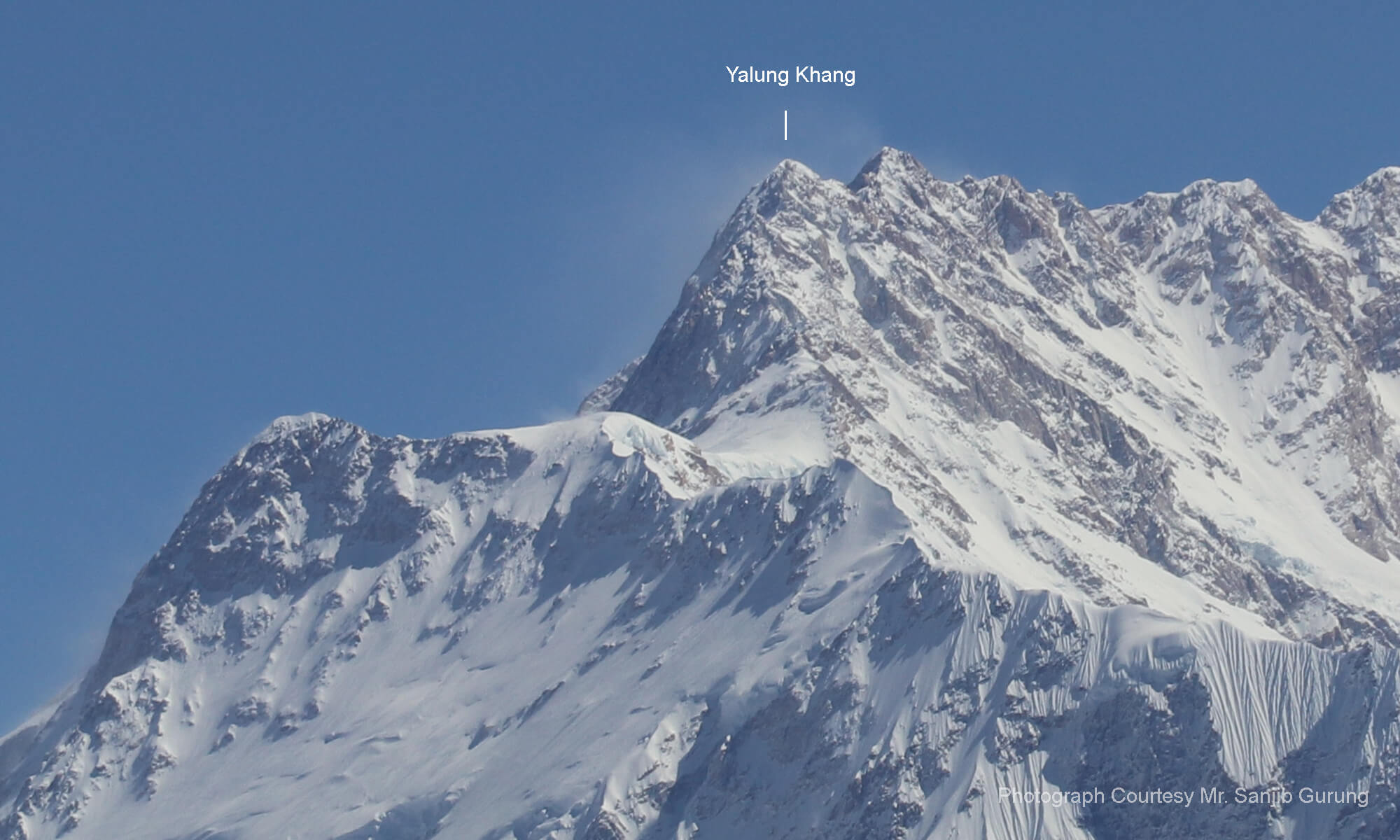
*Photo Credit: From Nepal Himal Peak Profile
10. Kanchenjunga South (8,476 m)
Another major summit of the Kanchenjunga massif, Kanchenjunga South is a formidable peak with significant technical challenges.
11. Kanchenjunga Central (8,473 m)
Located between the main summit and South Peak, Kanchenjunga Central completes the trio of 8,000-meter summits within the Kanchenjunga range.
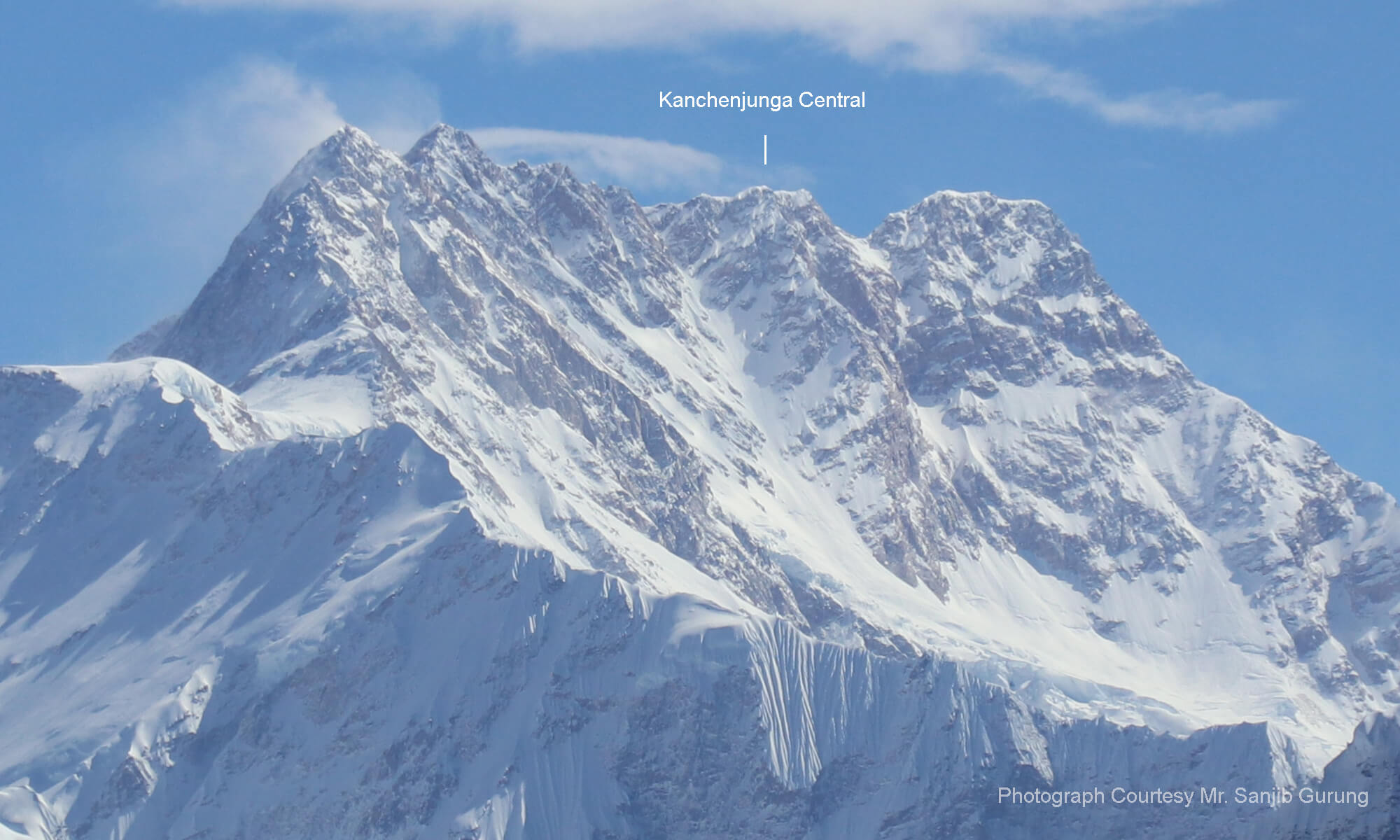
*Photo credit: From Nepal Himal Peak Profile
12. Lhotse Middle (8,410 m)
Positioned between Lhotse Main and Lhotse Shar, this peak has been climbed but remains one of the least discussed 8,000-meter summits.
13. Lhotse Shar (8,400 m)
A technically demanding peak east of Lhotse Main, known for steep faces and complex climbing conditions.
14. Yalung Khang West (8,077 m)
The smallest of the newly recognized peaks but still exceeding the 8,000-meter threshold, adding further depth to Nepal’s high-altitude profile.
Why Nepal’s Expanded 8,000-Meter List Matters
A Major Development in Mountaineering News
This update has quickly become one of the most discussed mountaineering news topics in Nepal and beyond. While international bodies such as the UIAA still recognize 14 independent 8,000-meter mountains worldwide, Nepal’s move highlights the complexity of Himalayan geography and the importance of national recognition.
Impact on Climbers and Expedition Operators
For professional climbers, the expanded list may eventually influence:
-
New expedition goals
-
Additional permit categories
-
Fresh climbing routes on less-crowded high peaks
For trekking and expedition companies, the recognition strengthens Nepal’s branding as the world’s premier high-altitude destination, even beyond Everest and Annapurna.
However, it is important to note that international recognition is still pending, and climbers pursuing global records will continue to follow UIAA classifications until official validation changes.
Safety, Regulation, and Sustainable Mountaineering
This development coincides with Nepal’s broader push toward safer and more regulated high-altitude climbing. Recent regulations require climbers on 8,000-meter peaks to be accompanied by licensed guides, reflecting concerns over safety, overcrowding, and environmental impact.
As climate change alters Himalayan conditions, responsible mountaineering and sustainable tourism practices are becoming central to Nepal’s long-term tourism strategy.
What This Means for Travelers and Readers
For adventure travelers and mountaineering enthusiasts:
-
Nepal remains unmatched in high-altitude diversity
-
The expanded list adds depth, not new beginner-friendly peaks
-
Most new summits are relevant primarily to elite climbers
For readers and travel news audiences, this story represents a blend of geography, policy, tourism, and global mountaineering culture, making it one of the most compelling Nepal travel news topics of the year.
Conclusion: Nepal Reinforces Its Status as the World’s High-Altitude Capital
With the official recognition of 14 mountains above 8,000 meters, Nepal has once again asserted its central role in global mountaineering and adventure travel. While debates over international classification continue, the move highlights the extraordinary vertical landscape of the Himalayas and Nepal’s ambition to fully represent it.
As interest in high-altitude travel, sustainable mountaineering, and Himalayan exploration grows, Nepal’s expanded 8,000-meter profile will remain a powerful focal point for climbers, travelers, and travel news platforms worldwide.